Yara Simon · 28 September 2026
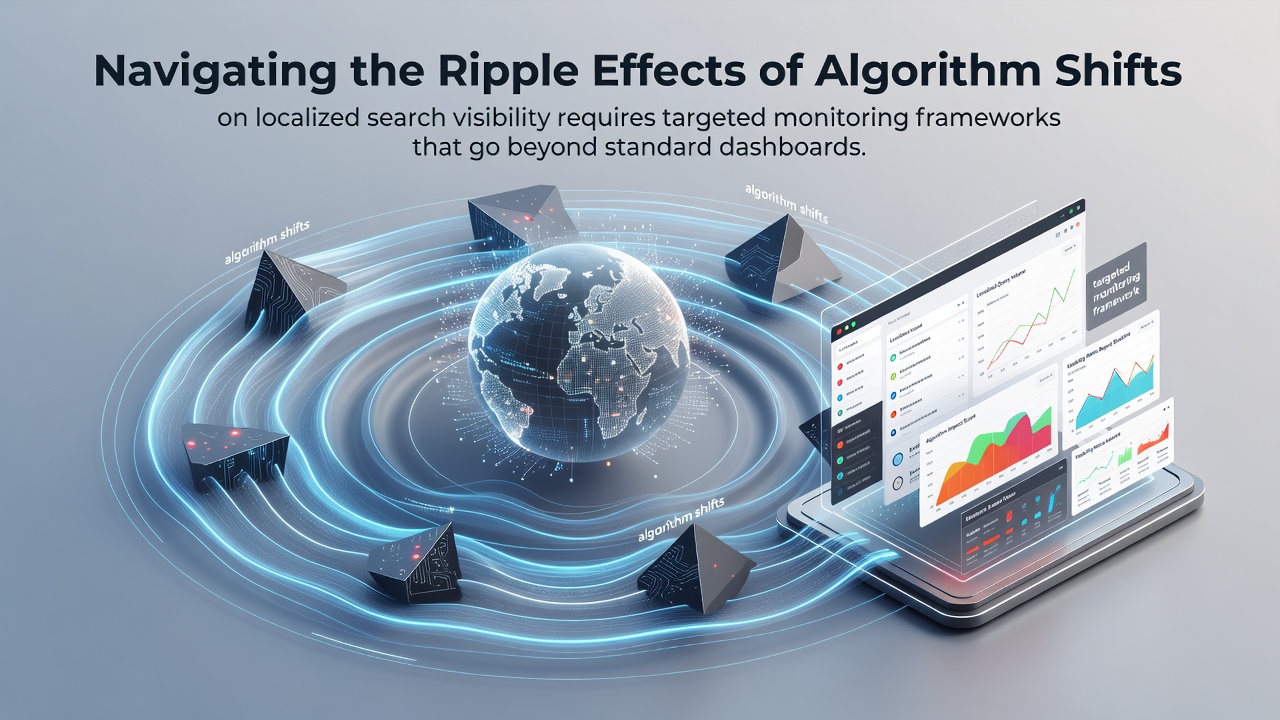
Navigating the ripple effects of algorithm shifts on localized search visibility requires targeted monitoring frameworks that go beyond standard dashboards.
Algorithm updates in major search engines continue to reshape how businesses appear in geographic results, and observers note that these changes often ripple through local rankings in ways that standard reporting tools fail to capture fully. Data from multiple regions shows that localized visibility can fluctuate sharply after core updates, with businesses in competitive areas experiencing drops or gains that generic dashboards overlook because they aggregate metrics without drilling into regional signals or intent variations.
Understanding Recent Algorithm Dynamics
Search engines refine their systems regularly to improve relevance, and in September 2026 several adjustments focused on user location signals and content freshness altered visibility patterns across urban and suburban zones alike. Researchers tracking these shifts found that local pack placements responded differently depending on device type and query phrasing, while broader organic listings showed slower recovery times in certain markets. Industry reports indicate that businesses relying solely on national-level data missed early signs of these localized movements until weeks later.
Limitations of Conventional Dashboards
Standard analytics platforms deliver aggregate rankings and traffic summaries, yet they often compress regional nuances into single averages that obscure neighborhood-level changes. Experts have observed that when an algorithm prioritizes mobile-first indexing or refines map pack criteria, the impact on a single business can vary by postal code even though the overall dashboard shows stability. This compression leaves teams without granular alerts for sudden visibility losses tied to specific intent clusters or competitor movements in the same vicinity.
Figures reveal that teams using only default views spend additional time reconstructing what happened after an update, whereas segmented tracking surfaces the same information sooner. Data from the Australian Bureau of Statistics on digital commerce patterns highlights similar gaps in reporting when location-based metrics are not isolated from national trends.
Building Targeted Monitoring Systems
Effective frameworks start by defining geographic boundaries at a finer scale than city level, then layering in query intent categories and device filters. Analysts set up automated checks that compare pre-update and post-update snapshots for each segment, using custom scripts to pull ranking data directly from localized search interfaces rather than aggregated APIs. This approach captures shifts in map pack prominence and knowledge panel appearances that standard tools often bundle together.

Teams also incorporate competitor benchmarking at the local level, tracking how nearby businesses respond to the same update. Studies from academic institutions in Canada demonstrate that combining these layers with historical intent data produces earlier indicators of ranking volatility than volume-based alerts alone. The process requires regular calibration of thresholds so that minor daily fluctuations do not trigger unnecessary reviews while genuine algorithmic effects surface promptly.
Integrating External Data Sources
Monitoring expands beyond internal logs when teams pull supplementary signals from public datasets on consumer behavior and local economic activity. One approach involves aligning search visibility changes with foot-traffic estimates or directory listing updates, which can confirm whether a ranking drop reflects reduced demand or an algorithmic reordering. According to research published by Statistics Canada, correlating these external indicators with ranking data improves the accuracy of impact assessments in regional markets.
Another layer includes regulatory filings on digital platform practices that sometimes precede broader algorithm adjustments. Observers note that cross-referencing such filings with ranking timelines helps anticipate which local verticals may face the next wave of changes.
Practical Implementation Steps
Organizations begin by auditing existing data collection points to identify gaps in geographic granularity, then configure new tracking scripts that query search engines from multiple proxy locations. They schedule daily or hourly pulls during known update windows and store results in structured formats that allow quick segment comparisons. Training sessions help staff interpret the resulting reports, focusing on how to distinguish algorithmic effects from seasonal or promotional influences.
Case examples show businesses that adopted these layered systems regained visibility faster after the September 2026 updates because they identified affected query clusters within days instead of weeks. The same setups also flagged emerging opportunities in adjacent neighborhoods where competitors had not yet adjusted their content strategies.
Conclusion
Targeted monitoring frameworks address the shortcomings of standard dashboards by isolating regional signals, intent variations, and external correlations that reveal the true scope of algorithm-driven changes. Organizations that implement these systems gain earlier visibility into localized ranking movements and can adjust strategies before broader traffic declines compound. Continued refinement of these methods keeps pace with evolving search engine priorities across different markets.